
Preventive Care for Seniors: Why Regular Health Checkups Matter
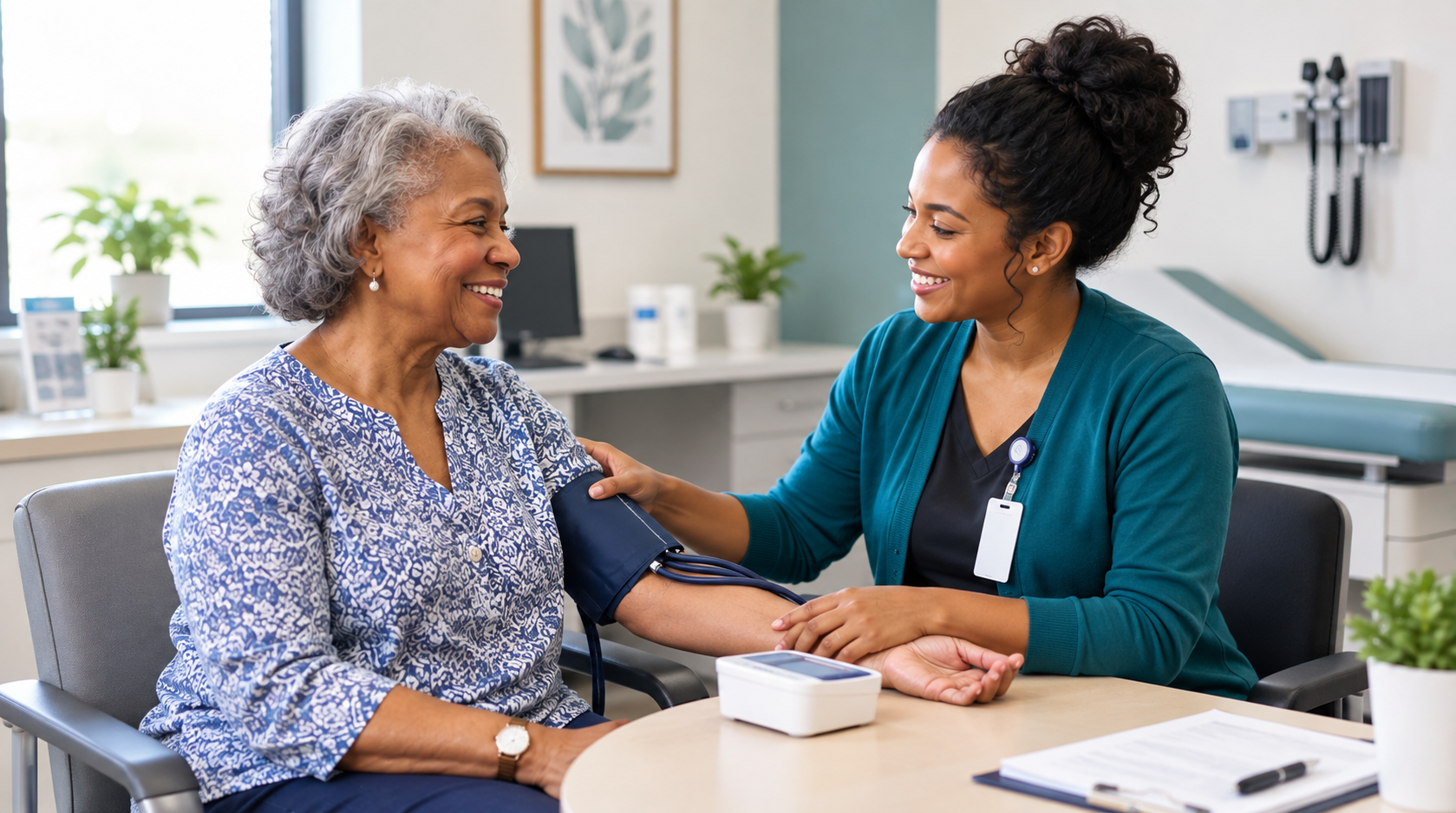
Preventive care plays an important role in helping older adults maintain their health and independence. As people age, regular health assessments, recommended screenings, and vaccinations can help identify potential health concerns early. Preventive visits also give healthcare providers an opportunity to review medications, monitor existing conditions, and discuss changes in physical or mental well-being. Taking a proactive approach to healthcare can help seniors make informed decisions and support a healthier, more active lifestyle.
Essential Preventive Care Tips for Seniors
Older adults can take several practical steps to protect their health and address potential concerns before they become more serious.
- Schedule Routine Checkups: Visit your healthcare provider regularly to review your overall health.
- Stay Up to Date on Screenings: Discuss age-appropriate screenings based on your health history and risk factors.
- Review Vaccinations: Ask your provider which vaccines are recommended for you.
- Monitor Blood Pressure: Keep track of blood pressure and follow medical advice when needed.
- Maintain a Balanced Diet: Eat a variety of nutritious foods to support healthy aging.
- Stay Active: Choose safe activities that help maintain strength, flexibility, and balance.
- Review Medications: Discuss your prescriptions and supplements with your healthcare provider.
- Prioritize Mental Health: Talk to a professional if you experience persistent anxiety, sadness, or memory changes.
Regular preventive care can help older adults identify health concerns, manage existing conditions, and make informed choices about their long-term wellness.